Halo Light
Advanced Diffused Optics: The Science Behind the Glow
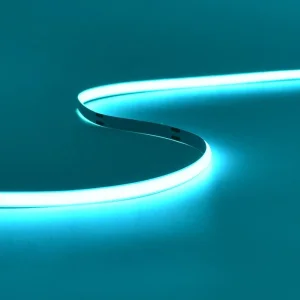
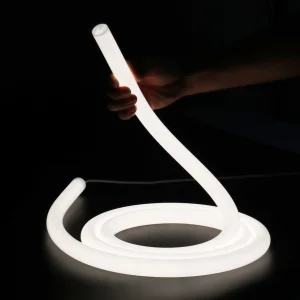
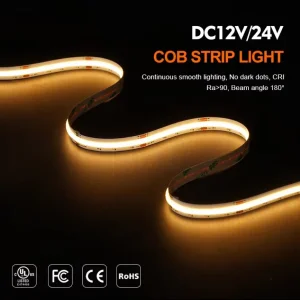
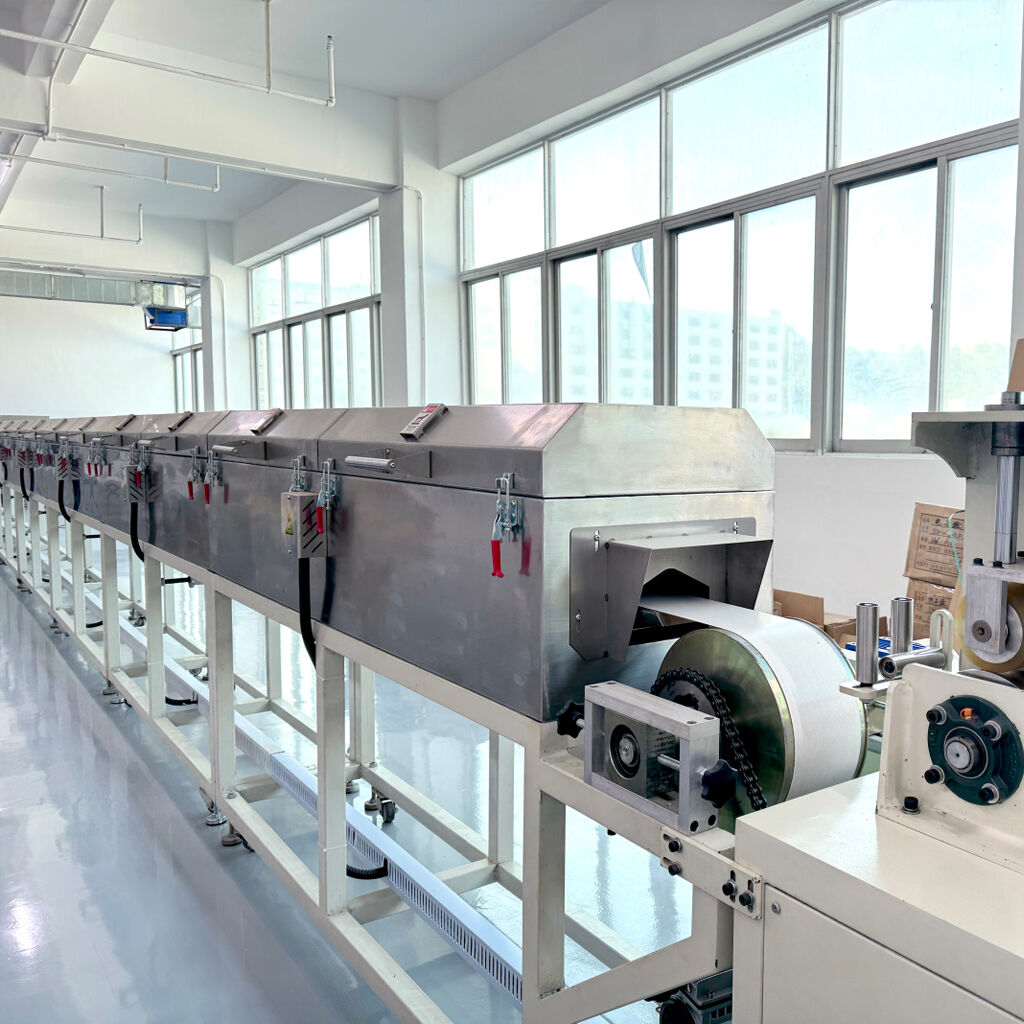
The primary advantage of Diffused LED Strip Lights lies in their optical engineering. Unlike traditional strips where each LED is visible as a "point," diffused strips use a secondary lens or an extruded silicone cover to scatter light. This scattering effect is measured by its "transmittance" and "haze" values. At Hangzhou Halo Light, we use high-grade silicone with a 90% light transmittance rate, ensuring that while the light is perfectly smooth, there is minimal loss in Lumen output. This is vital for industrial task lighting where both high brightness and low glare are required.
Customization: The OEM/ODM Edge
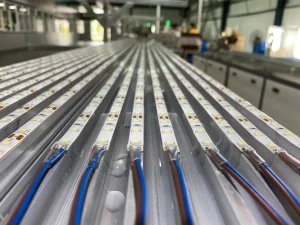
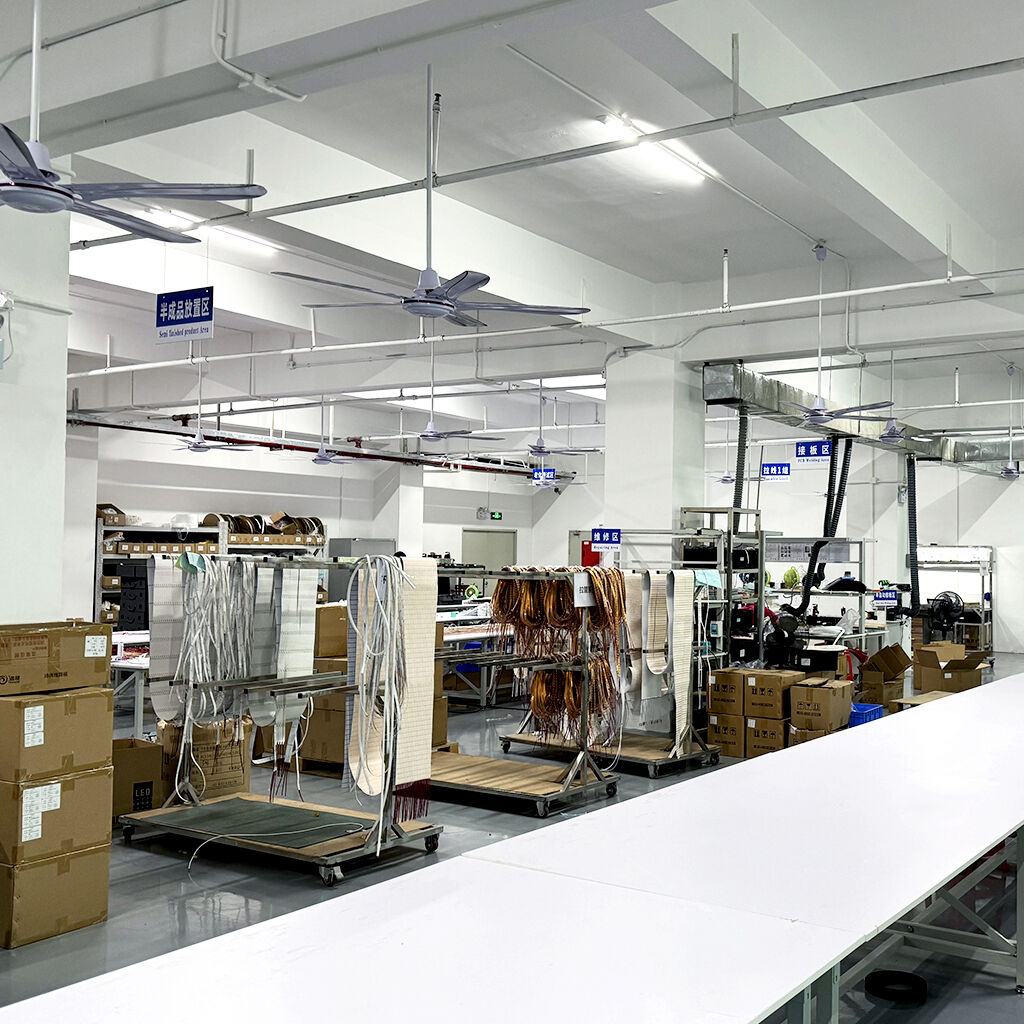
As a leading supplier, we understand that one size does not fit all. For a project in a London Underground station, the requirements might be high fire-retardancy and low smoke emission. For a resort in the Maldives, the focus might be on salt-mist corrosion resistance. Our manufacturing process allows for deep customization:
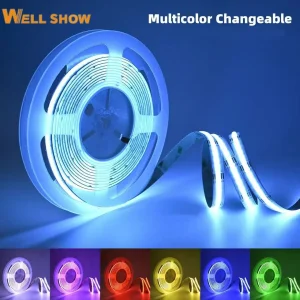
- Color Temperature Tuning: From 1800K (candlelight) to 10000K (daylight blue).
- Flexible Voltage: 5V for portable electronics, 12V/24V for standard projects, and 48V for long-run applications without voltage drop.
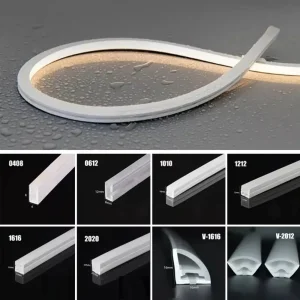
- Custom Profiles: We can extrude silicone in various shapes (Round, D-shape, Flat, or Triangular) to fit specific architectural niches.
Future Outlook: AI and Adaptive Lighting
Looking forward, the industry is moving towards Adaptive Diffused Lighting. This involves sensors that detect ambient light levels and adjust the strip's intensity and color temperature automatically. Our R&D team is currently integrating AI-compatible drivers that can predict component failure before it happens, a feature highly sought after in large-scale industrial lighting maintenance contracts.